Food and drink guide
Florence Food Guide: What to Eat and How to Explore
Discover what to eat in Florence, the best areas for a food-focused walk and how to choose a local food tour, class or market visit.
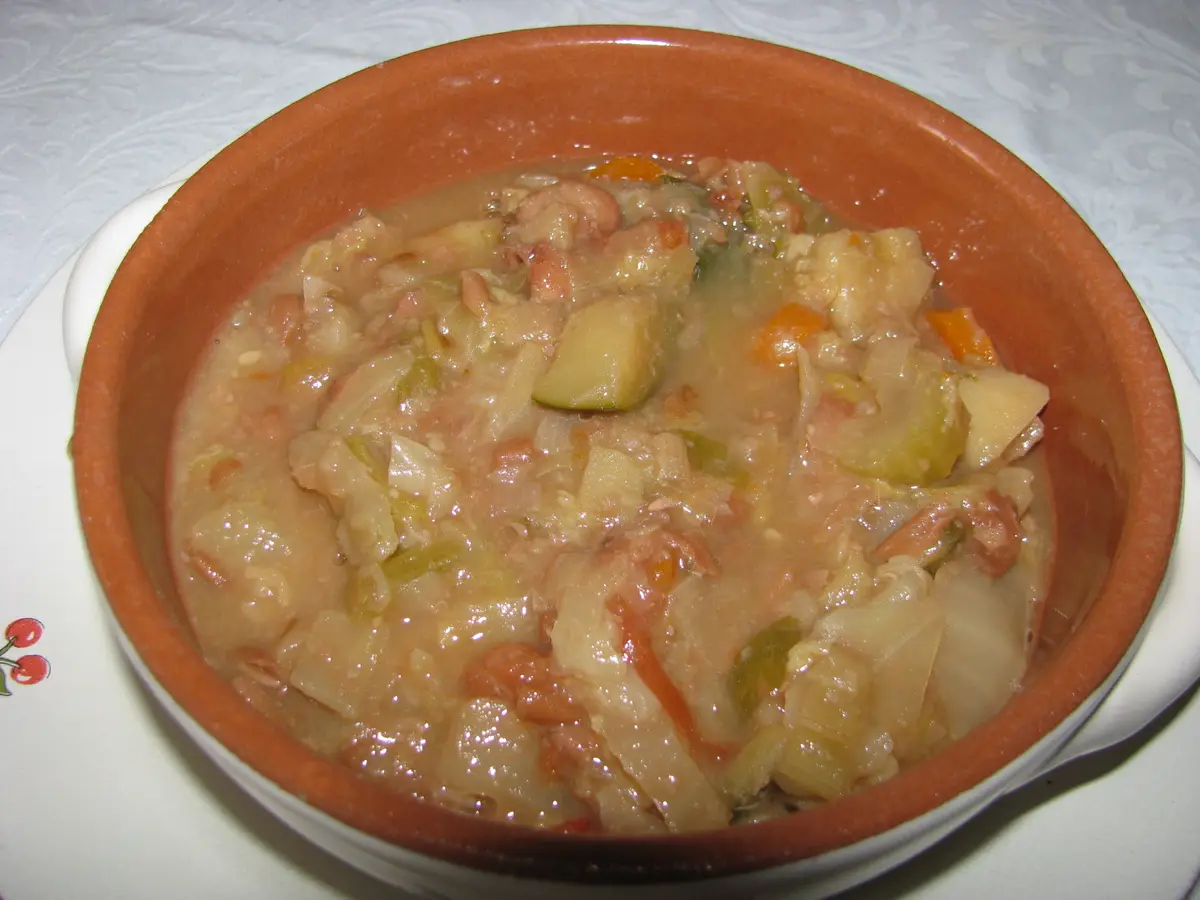
Florence is a strong choice for travelers who want regional Tuscan cooking alongside Renaissance sightseeing. A good food plan balances quick street snacks with slower meals.
Essential foods to know
The specialties most worth understanding before your visit include ribollita, pappa al pomodoro, lampredotto and Tuscan cured meats. Treat them as a starting point rather than a checklist: the best version is often the one that fits the neighborhood, season and moment, not the address that appears most often on social media.
A rewarding first food day combines something casual with one more deliberate stop. You could start at a bakery or market, try a local lunch and leave the evening free for a meal that catches your eye. Avoid stacking multiple long tasting experiences back to back.
Where to explore food in Florence
Sant'Ambrogio and the historic center offer useful starting points for travelers interested in food and street life. Exact walking routes depend on your accommodation and other sightseeing plans. Use the neighborhoods as anchors, not as an invitation to rush between specific businesses that may be closed or fully booked.
Should you book a food tour?
Look for a walk combining the historic center with a real explanation of Tuscan ingredients, rather than only wine and souvenir stops.
A good tour explains local dishes and traditions, not simply where to buy food. Check the number of stops, portion sizes, group size, languages, meeting point and what is included. Ask about allergies before booking. If you already have a clear list of restaurants and do not need a guide's cultural context, exploring independently may be better value.
See our guide to choosing food tours for a comparison of walking, market and private formats.
Cooking classes and hands-on experiences
Hands-on Tuscan cooking classes can offer more value than generic pasta demonstrations, particularly when they explore seasonal local dishes.
The important choice is how actively you participate. Some classes focus on hands-on preparation, others are demonstrations with a shared meal. Check the recipe, class size and whether all ingredients and equipment are included. Our European cooking classes guide explains the trade-offs.
Food markets and local shops
Sant'Ambrogio offers a more food-focused way to understand daily shopping than relying on the busiest visitor corridors.
Trading hours and days can change. Check market information shortly before visiting, and remember that famous tourist-market areas do not always represent everyday grocery shopping. If your goal is to learn about unfamiliar ingredients, a knowledgeable market guide can add value; otherwise a self-guided stop is often enough.
Practical food-planning advice
Book a substantial tasting on a day without a long museum itinerary to allow time to enjoy the stops.
When planning the rest of your day, reserve room for walking, waiting, public transport and spontaneous stops. A city can offer exceptional food without requiring reservations for every meal. For dietary needs and booking logistics, read our food travel tips.
Plan your next step
Explore our EU food destinations for comparisons, or decide whether a food tour, cooking class or market visit would make the most of your time in Florence.
Photo: Ithunn / Wikimedia Commons · CC BY-SA 3.0. The image is resized, cropped or converted for display.

Discover more
Explore more about BiteSeeing
Explore more guides, recipes, ingredients and flavour combinations that fit what you want to make.