Food and drink guide
Food Markets in Europe: How to Explore Them Well
Learn how to visit European food markets, what to buy, when to go and which EU cities make memorable market stops.
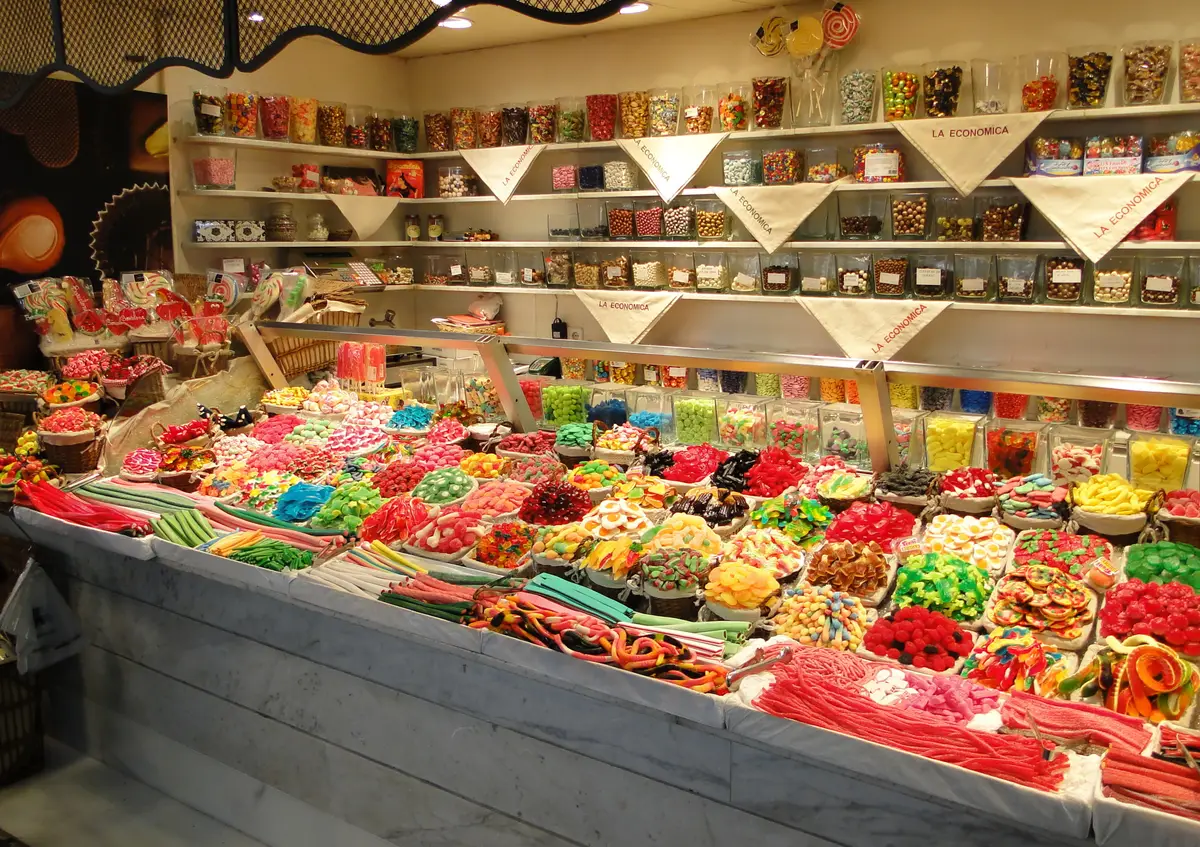
Markets help reveal how a city actually eats. But not every famous market is primarily a place for everyday shopping; some are now busy visitor destinations or food halls. Both can be enjoyable if you know what kind of experience you want.
Food markets by destination
- Rome: The Testaccio market area is a useful starting point for exploring the relationship between produce, prepared food and neighborhood life.
- Florence: Sant'Ambrogio offers a more food-focused way to understand daily shopping than relying on the busiest visitor corridors.
- Naples: Explore neighborhood food stalls with a guide who can explain local produce and preparation, rather than treating a market as a checklist stop.
- Bologna: The Quadrilatero is visually appealing, but explore beyond the busiest stretch for everyday food shopping and less hurried tastings.
- Paris: Choose a neighborhood market operating on the day you visit, and use it to understand how local shoppers buy cheese, bread and produce.
- Barcelona: La Boqueria is famous and busy; a thoughtful tour should explain what to buy and when, rather than only photograph market stalls.
- Lisbon: Food halls can be convenient, but neighborhood markets and traditional shops may better explain Lisbon's everyday food culture.
- Athens: The central market district is most rewarding when you have context for the produce, fish, meat and prepared foods sold nearby.
Make the most of a market visit
Go early enough to see food shops in action, but do not assume every stall starts at the same time. Check the market's actual trading days and whether individual sellers close on local holidays. Carry a small bag for purchases and be mindful of queues and people working; tasting or photographing merchandise is not automatically welcome.
Markets can be useful for picnic ingredients and regional specialties. Keep food-safety considerations in mind when transporting seafood, dairy, meat or anything requiring refrigeration. If a market is primarily a restaurant hall, treat it as somewhere to eat rather than a substitute for a traditional produce market.
A guided market walk is worthwhile if you want explanations of unfamiliar ingredients or language help. Otherwise a short independent visit paired with nearby bakeries or cafés can be just as rewarding. For additional planning advice, see food travel tips.
Photo: Bernard Gagnon / Wikimedia Commons · CC BY-SA 3.0. The image is resized, cropped or converted for display.

Discover more
Explore more about BiteSeeing
Explore more guides, recipes, ingredients and flavour combinations that fit what you want to make.